Safety and Compliance in Freight Hauling Operations
- Yohana Bashilwango
- Dec 27, 2025
- 4 min read

Freight hauling is a critical component of the global economy, responsible for transporting goods across vast distances. However, with the increasing complexity of logistics and the rise of regulations, ensuring safety and compliance in freight operations has never been more important. This blog post will explore the key aspects of safety and compliance in freight hauling, providing practical insights and examples to help operators navigate this challenging landscape.
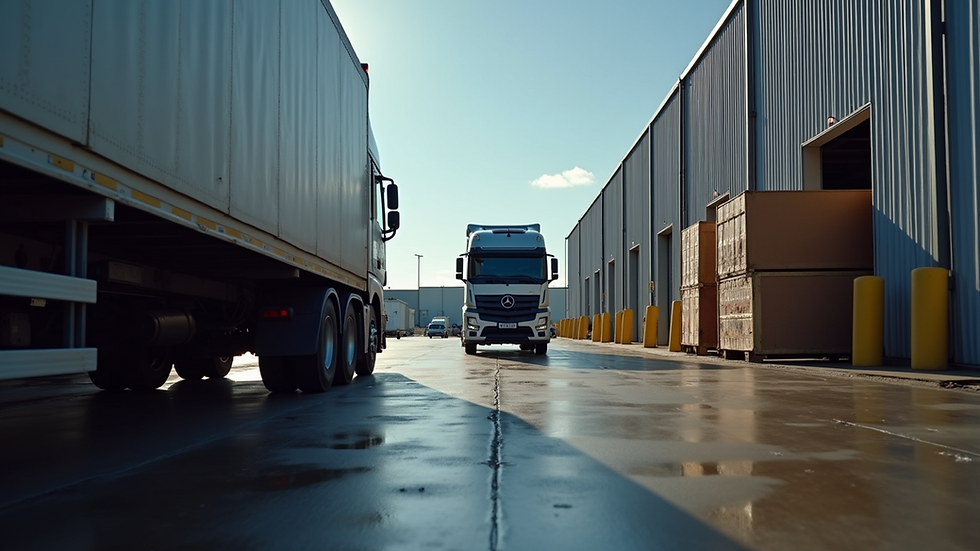
Understanding Safety in Freight Hauling
Safety in freight hauling encompasses a wide range of practices and protocols designed to protect drivers, cargo, and the public. The importance of safety cannot be overstated, as accidents can lead to severe consequences, including injuries, fatalities, and significant financial losses.
Key Safety Practices
Regular Vehicle Maintenance
Ensuring that trucks are in good working condition is essential. Regular inspections and maintenance can prevent breakdowns and accidents. Operators should follow a strict maintenance schedule that includes checking brakes, tires, lights, and other critical systems.
Driver Training and Certification
Proper training is crucial for drivers to handle their vehicles safely. This includes understanding road regulations, handling hazardous materials, and managing fatigue. Many companies require drivers to undergo certification programs that cover these topics.
Use of Technology
Advanced technologies, such as GPS tracking and collision avoidance systems, can enhance safety. These tools help monitor vehicle performance and driver behavior, allowing for timely interventions when necessary.
Load Securement
Properly securing loads is vital to prevent shifting during transport, which can lead to accidents. Operators should follow guidelines for load distribution and use appropriate tie-downs and restraints.
Real-World Example
Consider a freight company that implemented a comprehensive safety program. They invested in driver training, regular vehicle inspections, and technology upgrades. As a result, they saw a 30% reduction in accidents over two years, demonstrating the effectiveness of a proactive safety approach.
Compliance in Freight Operations
Compliance refers to adhering to laws, regulations, and industry standards governing freight hauling. Non-compliance can result in hefty fines, legal issues, and damage to a company's reputation.
Key Compliance Areas
Regulatory Requirements
Freight operators must comply with federal, state, and local regulations. This includes adhering to the Federal Motor Carrier Safety Administration (FMCSA) guidelines, which cover hours of service, vehicle maintenance, and driver qualifications.
Environmental Regulations
With growing concerns about environmental impact, freight companies must also comply with regulations related to emissions and waste disposal. Implementing eco-friendly practices can not only ensure compliance but also enhance a company's image.
Insurance and Liability
Adequate insurance coverage is essential for protecting against potential liabilities. Operators should regularly review their insurance policies to ensure they meet legal requirements and adequately cover their operations.
Documentation and Record-Keeping
Maintaining accurate records is crucial for compliance. This includes driver logs, maintenance records, and safety inspections. Proper documentation can serve as evidence of compliance during audits.
Real-World Example
A logistics firm faced significant fines due to non-compliance with FMCSA regulations. After a thorough review of their practices, they implemented a compliance management system that tracked regulatory changes and ensured adherence. This proactive approach not only saved them from future fines but also improved their operational efficiency.
The Role of Technology in Safety and Compliance
Technology plays a pivotal role in enhancing safety and compliance in freight hauling. From tracking systems to automated compliance checks, technology can streamline operations and reduce risks.
Key Technologies
Telematics Systems
These systems provide real-time data on vehicle performance, driver behavior, and route optimization. By analyzing this data, companies can identify areas for improvement and enhance safety measures.
Electronic Logging Devices (ELDs)
ELDs automatically record driving hours, ensuring compliance with hours of service regulations. This technology reduces the risk of driver fatigue and helps maintain accurate records.
Safety Management Software
This software helps companies manage safety protocols, track incidents, and analyze trends. By centralizing safety data, operators can make informed decisions to improve safety practices.
Mobile Apps for Drivers
Mobile applications can assist drivers with navigation, load tracking, and communication with dispatch. These tools enhance efficiency and safety by providing drivers with the information they need in real-time.
Real-World Example
A freight company adopted telematics systems across its fleet. By analyzing driving patterns, they identified that certain routes had higher accident rates. They adjusted their routes accordingly, resulting in a significant decrease in accidents and improved compliance with safety regulations.
Building a Safety and Compliance Culture
Creating a culture of safety and compliance within an organization is essential for long-term success. This involves engaging all employees and fostering an environment where safety is prioritized.
Strategies for Building Culture
Leadership Commitment
Leadership must demonstrate a commitment to safety and compliance. This includes allocating resources for training, technology, and safety initiatives.
Employee Involvement
Involving employees in safety discussions and decision-making can enhance buy-in. Regular safety meetings and feedback sessions can help identify potential issues and solutions.
Recognition and Rewards
Recognizing employees for safe practices can motivate others to follow suit. Implementing reward programs for safe driving records or compliance adherence can reinforce positive behaviors.
Continuous Improvement
Safety and compliance should be viewed as ongoing processes. Regularly reviewing and updating safety protocols and compliance practices ensures that organizations stay ahead of regulations and industry standards.
Real-World Example
A transportation company implemented a safety recognition program that rewarded drivers for maintaining accident-free records. This initiative not only improved morale but also led to a noticeable decline in accidents, showcasing the impact of a strong safety culture.
Conclusion
Safety and compliance in freight hauling operations are not just regulatory requirements; they are essential components of a successful business strategy. By prioritizing safety practices, adhering to compliance regulations, leveraging technology, and fostering a culture of safety, freight operators can protect their employees, cargo, and reputation.
As the freight industry continues to evolve, staying informed and proactive in safety and compliance will be crucial for long-term success. Operators should take the necessary steps today to ensure they are prepared for the challenges of tomorrow.


Comments